Patio Removal in Bergen County, NJ
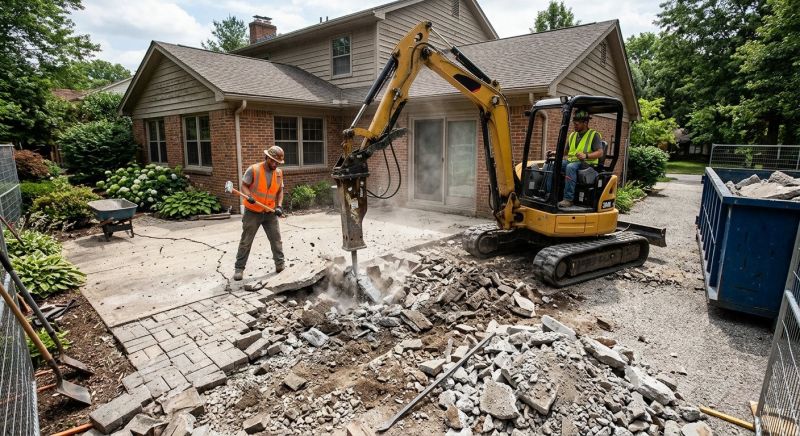
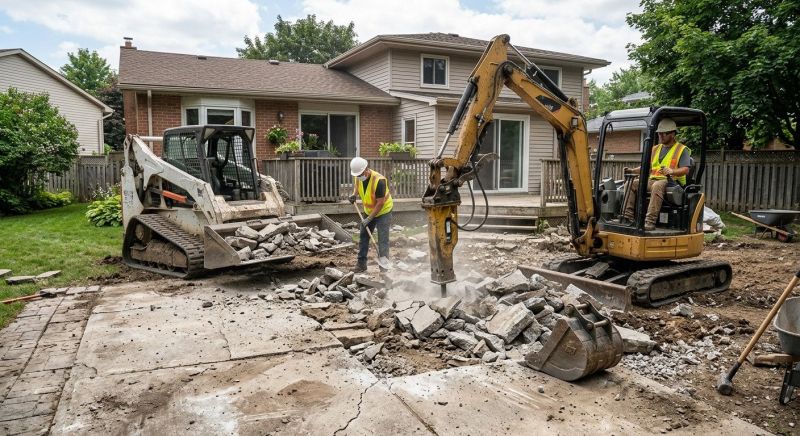
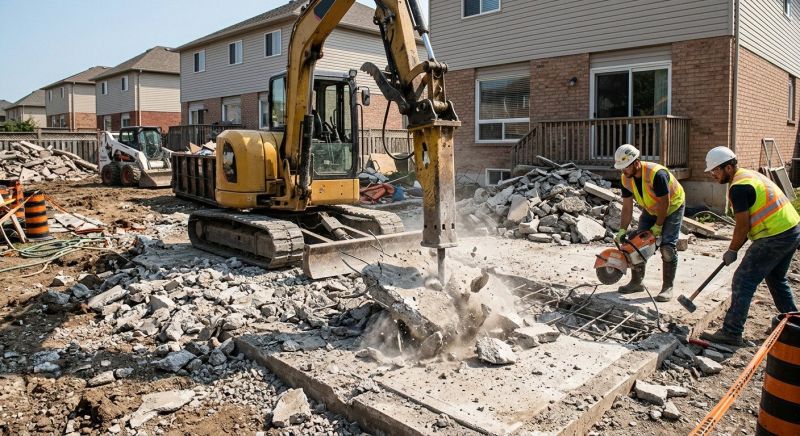
Patio removal services involve the safe and efficient dismantling and clearing of existing patios, including materials such as concrete, pavers, brick, or stone. These projects typically cater to homeowners looking to update or replace outdated, damaged, or unwanted outdoor surfaces. Property owners often seek this service when planning a new landscape design, installing a different type of outdoor feature, or simply removing a deteriorating patio to improve the overall appearance and functionality of their yard.
Before requesting patio removal, property owners should consider the scope of the project, including the size and material of the existing patio, as well as any underground utilities or landscaping features that might be affected. It’s also helpful to understand local regulations or permits that could be required for demolition and disposal. Clarifying these details can ensure a smooth process and help in planning subsequent landscaping or construction projects.
Many property owners in Bergen County, NJ look into Patio Removal for repairs, replacements, upgrades, and appearance-related improvements.
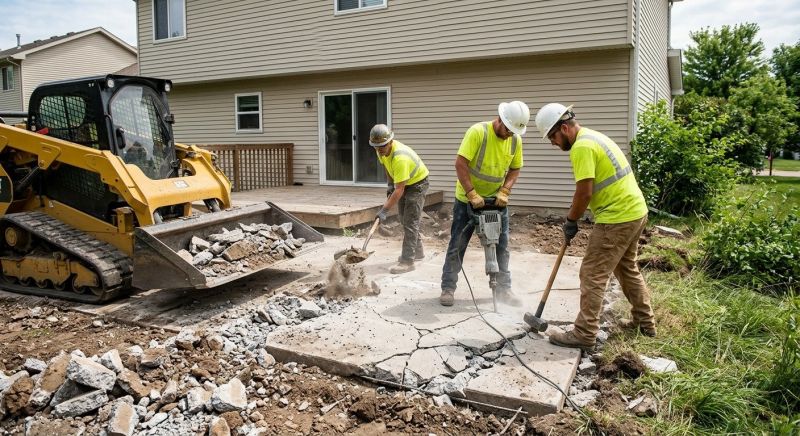
Reasons For Patio Removal
Homeowners often remove old or damaged patios to improve safety and update outdoor spaces.
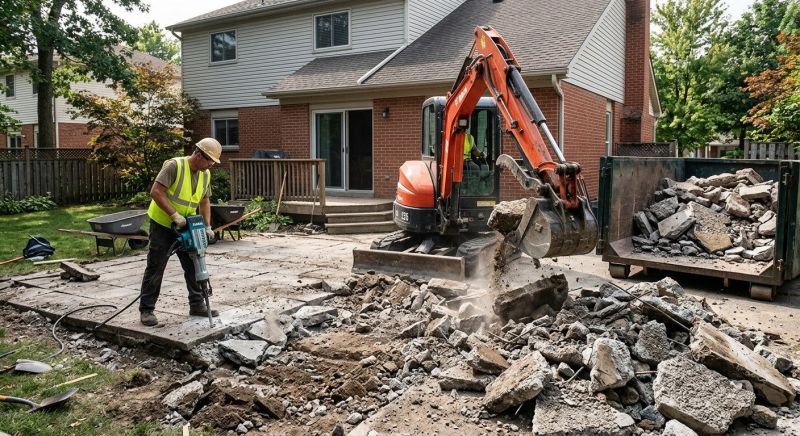
Types Of Patios Removed
Concrete, stone, and brick patios are common projects for property owners looking to clear the area.
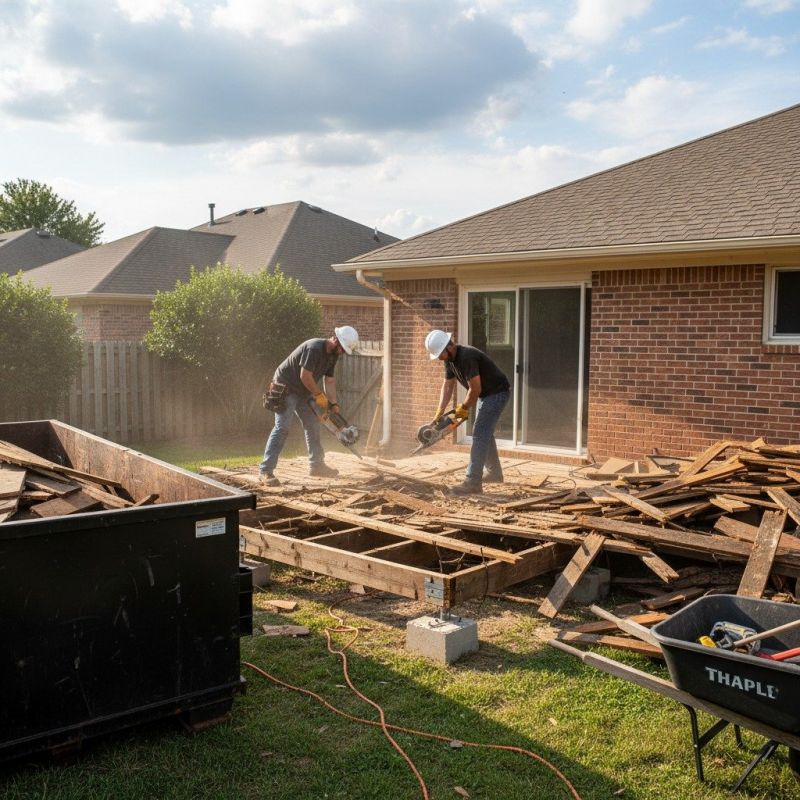
Considerations Before Removal
Planning for proper disposal and potential site restoration is essential for a smooth patio removal process.
Patio Removal in Bergen County, NJ
Patio removal services involve the safe and efficient dismantling and clearing of existing patios, including materials such as concrete, pavers, brick, or stone. These projects typically cater to homeowners looking to update or replace outdated, damaged, or unwanted outdoor surfaces. Property owners often seek this service when planning a new landscape design, installing a different type of outdoor feature, or simply removing a deteriorating patio to improve the overall appearance and functionality of their yard.
Before requesting patio removal, property owners should consider the scope of the project, including the size and material of the existing patio, as well as any underground utilities or landscaping features that might be affected. It’s also helpful to understand local regulations or permits that could be required for demolition and disposal. Clarifying these details can ensure a smooth process and help in planning subsequent landscaping or construction projects.
Many property owners in Bergen County, NJ look into Patio Removal for repairs, replacements, upgrades, and appearance-related improvements.
Common Patio Removal Jobs
Patio Removal - involves dismantling and clearing old or damaged patio surfaces.
Concrete Patio Removal - includes breaking up and hauling away concrete slabs for renovation or replacement.
Paver Patio Removal - involves taking out existing paver layouts to create space for new landscaping.
Stone Patio Removal - includes dismantling natural stone surfaces for property upgrades or redesigns.
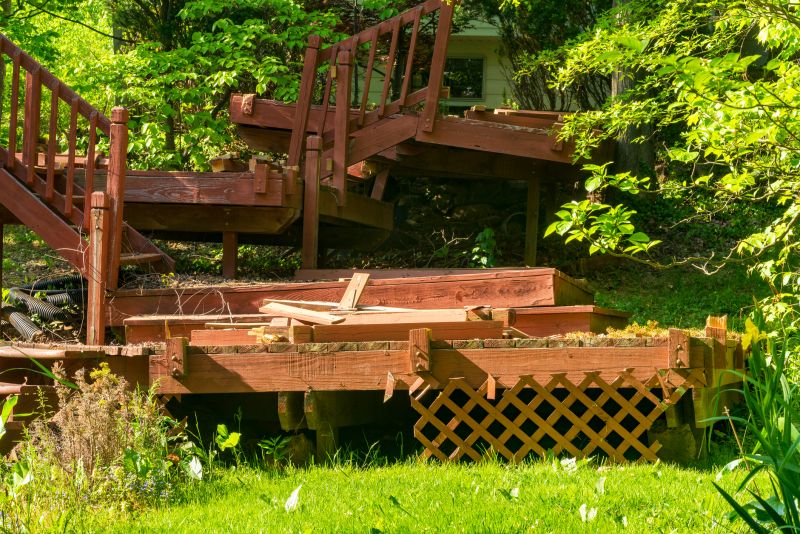
Deck and Patio Demolition - covers removing attached or freestanding patio structures to improve yard layout.
Yard Clearing - involves removing debris and leftover materials after patio demolition to prepare the space for future projects.
Patio Removal Questions
What types of patios can be removed? Most concrete, stone, or brick patios can be dismantled and removed as part of the service.
Is the removal process disruptive to the yard? Some disturbance to the surrounding area may occur, but efforts are made to minimize impact during removal.
What should be done with the debris after removal? Debris can be hauled away or disposed of according to property owner preferences.
Are permits needed for patio removal? Permit requirements vary by location; it is advisable to check local regulations before starting the project.
Request Patio Removal in Bergen County, NJ
Use the quote form on this page to share the basics of your project and request more information for the type of work you need.