Drywall Removal in Bergen County, NJ
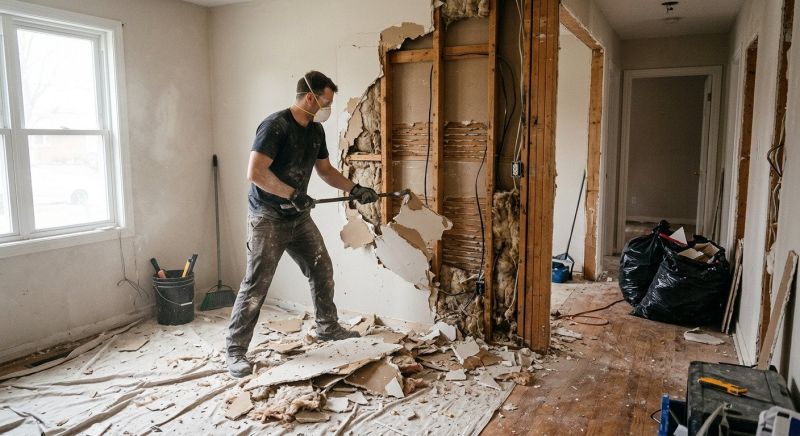
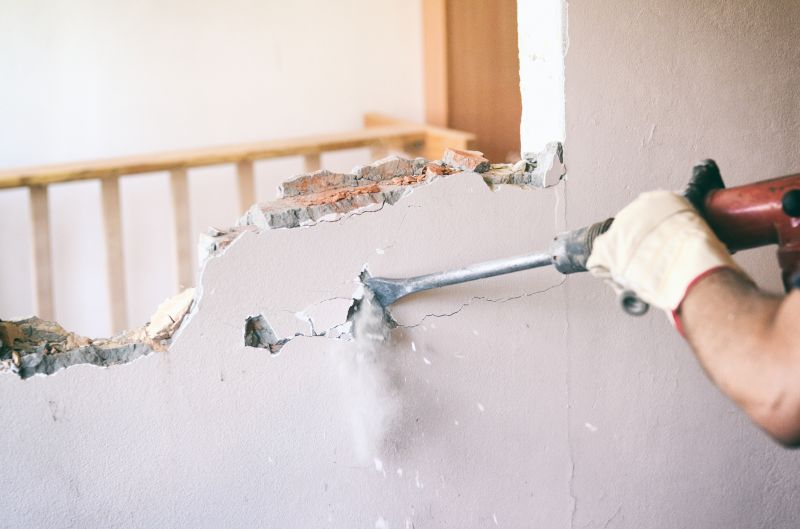
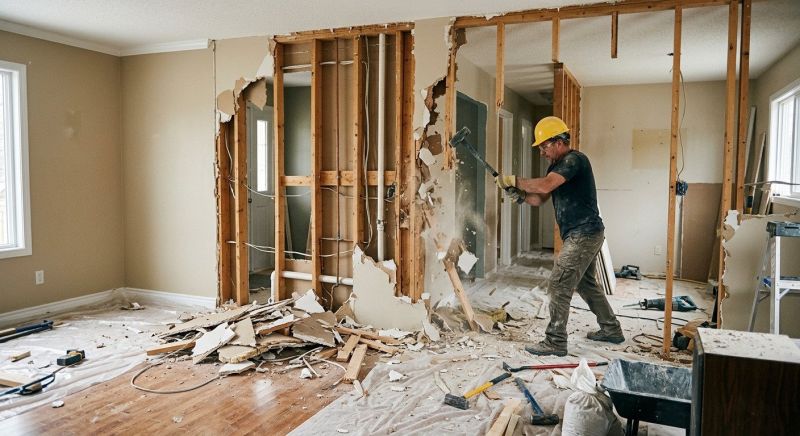
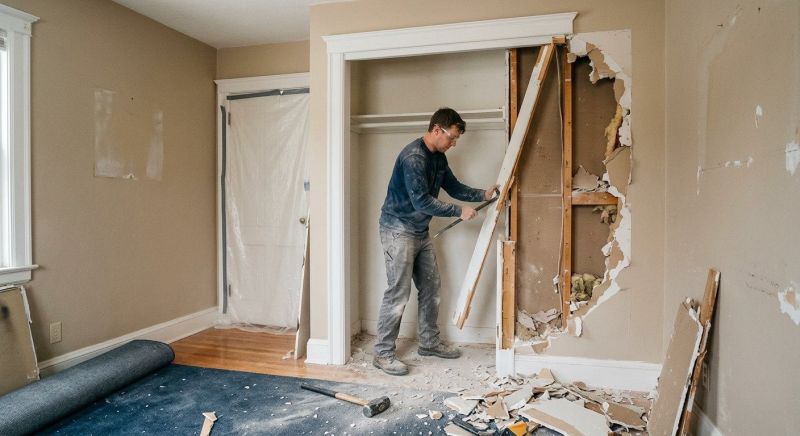
Drywall removal services involve carefully taking down existing drywall surfaces to prepare for renovations, repairs, or remodeling projects. This process typically includes removing damaged or outdated drywall sections, creating access points for electrical or plumbing work, or clearing space for new wall installations. Homeowners often request drywall removal when updating interior designs, addressing water damage, or removing textured or popcorn ceilings, ensuring the space is ready for finishing or new materials.
Before requesting drywall removal, property owners should consider the scope of the project, including the size of the area involved and any underlying issues such as mold, asbestos, or structural concerns. It’s also helpful to understand the potential impact on surrounding areas, such as dust or debris, and whether the removal will require additional repairs or finishing work afterward. Clear communication about the project details can help ensure a smooth and efficient process tailored to the specific needs of the property.
Many property owners in Bergen County, NJ look into Drywall Removal for repairs, replacements, upgrades, and appearance-related improvements.
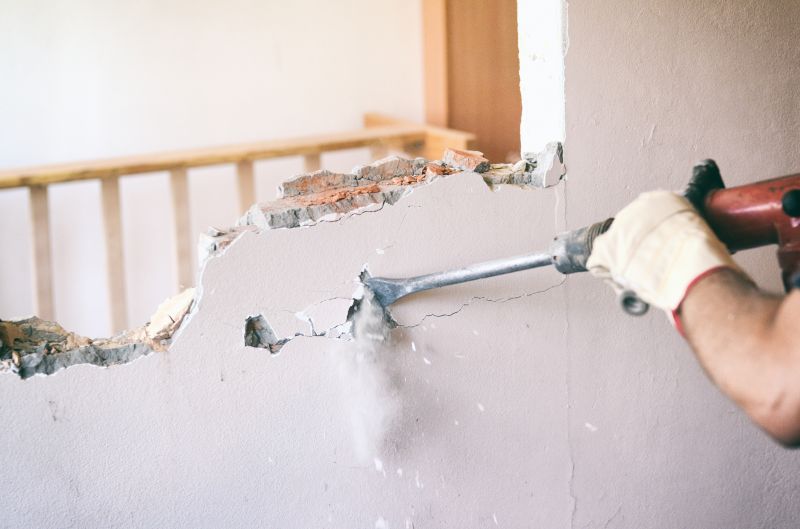
Residential Drywall Removal
Removing drywall to prepare for renovations or repairs in bergen county homes.
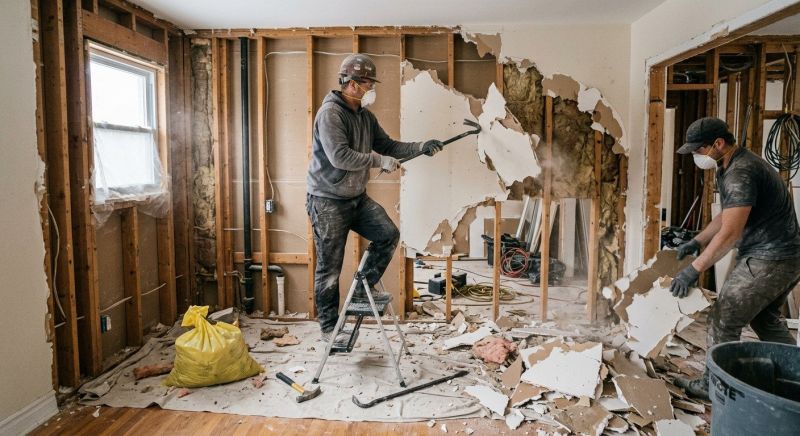
Commercial Drywall Demolition
Professional drywall removal for office spaces, retail stores, and commercial buildings.
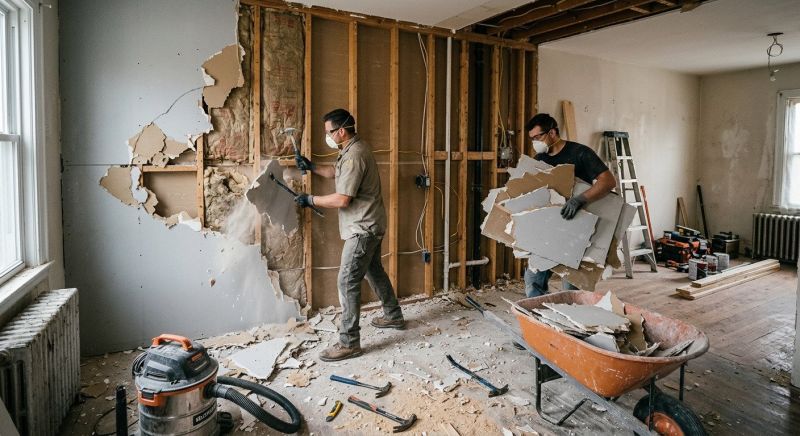
Bathroom And Kitchen Updates
Drywall removal services to facilitate updates and remodeling projects in kitchens and bathrooms.
Drywall Removal in Bergen County, NJ
Drywall removal services involve carefully taking down existing drywall surfaces to prepare for renovations, repairs, or remodeling projects. This process typically includes removing damaged or outdated drywall sections, creating access points for electrical or plumbing work, or clearing space for new wall installations. Homeowners often request drywall removal when updating interior designs, addressing water damage, or removing textured or popcorn ceilings, ensuring the space is ready for finishing or new materials.
Before requesting drywall removal, property owners should consider the scope of the project, including the size of the area involved and any underlying issues such as mold, asbestos, or structural concerns. It’s also helpful to understand the potential impact on surrounding areas, such as dust or debris, and whether the removal will require additional repairs or finishing work afterward. Clear communication about the project details can help ensure a smooth and efficient process tailored to the specific needs of the property.
Many property owners in Bergen County, NJ look into Drywall Removal for repairs, replacements, upgrades, and appearance-related improvements.
Common Drywall Removal Jobs
Drywall Removal - Safe and efficient removal of damaged or outdated drywall sections.
Room Renovations - Preparing walls for new finishes during remodeling projects.
Water Damage Repairs - Removing compromised drywall after leaks or flooding.
Asbestos Abatement - Carefully removing drywall with asbestos-containing materials.
Wall Replacements - Clearing old drywall to make way for new installation.
Fire Damage Restoration - Eliminating fire-damaged drywall to restore interior spaces.
Drywall Removal Questions
What is drywall removal used for? Drywall removal is often needed for remodeling, repairs, or updating interior walls and ceilings in residential or commercial properties.
Is drywall removal messy? It can create dust and debris, so proper containment and cleanup are important to minimize disruption during the process.
What should property owners consider before drywall removal? It's important to identify any hidden wiring, plumbing, or insulation that may be affected during removal.
Can drywall removal be done in sections? Yes, drywall can be removed in specific areas to facilitate renovations or repairs without disturbing the entire wall.
Request Drywall Removal in Bergen County, NJ
Use the quote form on this page to share the basics of your project and request more information for the type of work you need.